
Indian Metals & Ferro Alloys (IMFA), India’s leading fully integrated ferro alloys producer, has announced the acquisition of a 26% equity stake in EG Urja Strot Private Limited for approximately ₹110.18 crore.
- IMFA Signs 29-Year Renewable Energy Power Purchase Agreement
- Renewable Energy to Contribute Nearly 40% of IMFA’s Energy Mix
- Project Expected to Reduce Carbon Emissions Significantly
- Hybrid Renewable and Battery Storage to Improve Energy Stability
- IMFA Highlights Long-Term Sustainability Strategy
- EG Urja Strot Focused on Renewable Energy Development
- IMFA Expands Integrated Industrial and Sustainability Operations
- Industrial Renewable Energy Adoption Accelerates in India
- Conclusion
The investment forms part of IMFA’s broader strategy to strengthen energy security and expand the use of renewable energy across its ferro chrome manufacturing operations.
IMFA Signs 29-Year Renewable Energy Power Purchase Agreement
Alongside the investment, IMFA has also signed a:
- 29-year Power Purchase Agreement (PPA)
with EG Urja Strot under the:
- Captive Consumer framework
defined under:
- Electricity Act, 2003
- Electricity Rules, 2005
The agreement secures:
- 65 MW contracted hybrid renewable energy supply
for IMFA’s ferro chrome operations.
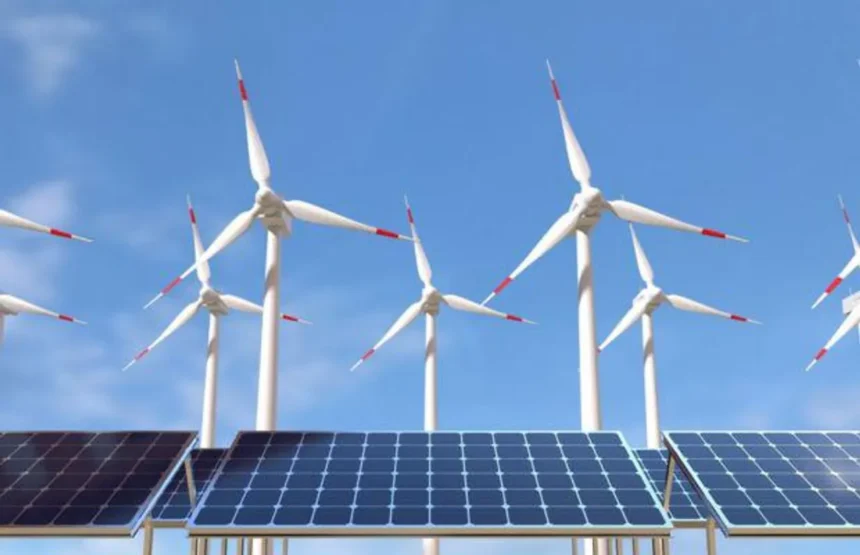
The renewable energy project will include:
- 81.4 MW solar power capacity
- 102.6 MW wind energy capacity
- 25 MWh Battery Energy Storage System (BESS) capacity
The project is expected to be completed by:
- June 2027
Renewable Energy to Contribute Nearly 40% of IMFA’s Energy Mix
The latest agreement follows IMFA’s previously announced:
- 70 MWp hybrid renewable energy sourcing arrangement
which is expected to commence during:
- Q2 FY27
With the addition of the new agreement, IMFA’s total contracted renewable energy portfolio now stands at:
- 135 MW
The company stated that renewable energy is expected to account for:
- Nearly 40% of its total energy mix in the next fiscal year
Industry experts say industrial companies are increasingly shifting toward hybrid renewable energy systems to:
- Reduce long-term power costs
- Improve energy reliability
- Lower carbon emissions
- Meet sustainability targets
Project Expected to Reduce Carbon Emissions Significantly
According to IMFA, the renewable energy partnership is expected to:
- Offset approximately 1.6 tonnes of carbon emissions annually
- Reduce nearly 45 lakh tonnes of carbon emissions over the agreement period
The company said the transition represents a major step toward cleaner and more sustainable industrial energy consumption.
As India accelerates its energy transition, heavy industries such as:
- Steel
- Ferro alloys
- Cement
- Mining
are increasingly adopting renewable power solutions and storage technologies to decarbonise operations.
Hybrid Renewable and Battery Storage to Improve Energy Stability
The integration of:
- Solar power
- Wind energy
- Battery Energy Storage Systems (BESS)
is expected to provide:
- Greater stability in power procurement
- Improved operational efficiency
- Reliable long-term electricity supply
Industry analysts believe hybrid renewable projects with storage capabilities will become increasingly important for energy-intensive industries seeking:
- Round-the-clock renewable power
- Grid stability
- Lower dependence on fossil fuel-based electricity
IMFA Highlights Long-Term Sustainability Strategy
Binoy Agarwalla, Vice President and Head of Power Business Unit at IMFA, said the investment aligns with the company’s long-term clean energy strategy.
“This acquisition is aligned with IMFA’s long-term strategy of strengthening energy security whilst increasing the share of renewable power in our overall energy mix. The arrangement will support our operations with reliable and competitively priced green power over the long term,” he said.
He further added:
“The combination of solar, wind and battery storage capacity is expected to improve operational efficiency and provide greater stability in power procurement. Building on the strong foundation of our integrated business model, we will continue to pursue opportunities that enhance competitiveness and create sustainable value for stakeholders.”
EG Urja Strot Focused on Renewable Energy Development
EG Urja Strot Private Limited was incorporated in:
- March 2025
and operates within India’s renewable energy sector.
The partnership reflects increasing collaboration between:
- Industrial manufacturers
- Renewable energy developers
to accelerate clean energy adoption in heavy industries.
IMFA Expands Integrated Industrial and Sustainability Operations
Founded in:
- 1961
and headquartered in:
- Bhubaneswar, Odisha
IMFA is India’s largest fully integrated producer of:
- Value-added ferrochrome
The company currently has:
- 289 MVA installed furnace capacity
- Annual production capability of 434,000 tonnes
IMFA also operates:
- Captive chrome ore mines
- Manufacturing facilities in Odisha
- Captive power generation assets
including:
- 200 MW coal-based power capacity
- 4.55 MWp solar capacity
The company is also developing:
- A greenfield ferro chrome project in Kalinganagar
which will increase total furnace capacity to:
- 355 MVA
- 534,000 tonnes per annum
Additionally, IMFA is expanding into:
- Ethanol production
through a:
- 120 kLD grain-based ethanol plant
currently being developed in Odisha.
Industrial Renewable Energy Adoption Accelerates in India
India’s industrial sector is increasingly investing in:
- Renewable energy sourcing
- Hybrid power systems
- Battery storage infrastructure
- Green industrial operations
The transition is being driven by:
- Rising electricity costs
- Net-zero commitments
- Sustainability regulations
- Energy security concerns
Experts believe industrial renewable energy adoption will continue to grow rapidly as companies seek:
- Long-term cost optimisation
- Emission reductions
- Cleaner manufacturing operations
Conclusion
IMFA’s investment in renewable energy infrastructure and long-term hybrid power sourcing agreement highlights the growing momentum behind industrial decarbonisation in India.
As industries accelerate the shift toward cleaner energy systems, hybrid renewable projects integrated with battery storage are expected to play a key role in supporting reliable, cost-effective, and sustainable industrial operations.
The agreement also reflects broader trends in India’s energy transition, where heavy industries are increasingly integrating renewable energy into core operational infrastructure.