

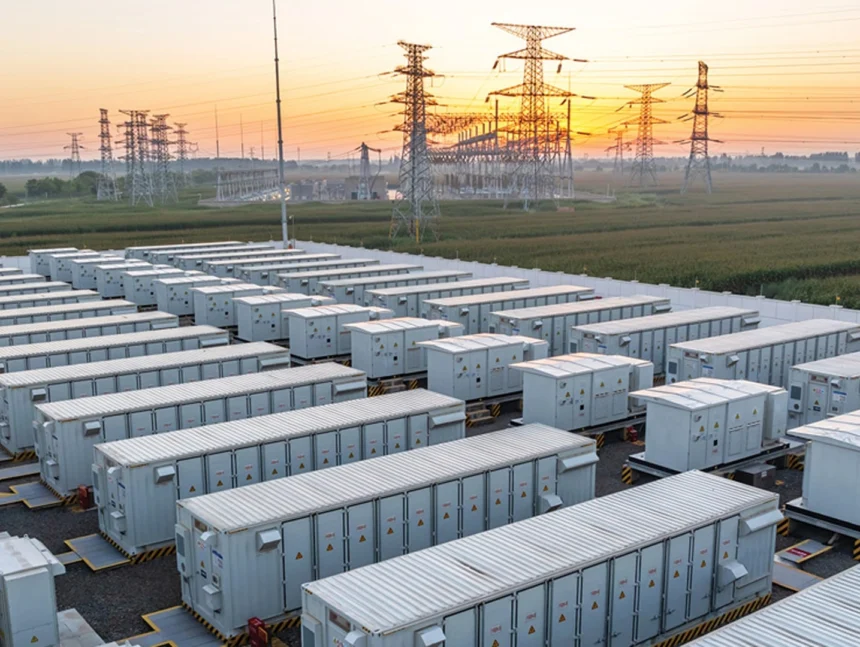
Rajasthan is taking a major step toward strengthening its clean energy infrastructure with plans to commission 1,000 MWh of Battery Energy Storage System (BESS) capacity by September 2027. The initiative, led by Rajasthan Rajya Vidyut Utpadan Nigam Limited (RVUNL), is aimed at enhancing grid reliability, improving renewable energy utilization, and supporting the state’s growing solar power ecosystem.
The project forms part of Rajasthan’s broader strategy to build a robust energy storage network capable of managing fluctuating renewable energy generation while ensuring a stable and efficient electricity supply.
First Phase of a 6,000 MWh Energy Storage Programme
The planned 1,000 MWh battery storage facility represents the first phase of a much larger 6,000 MWh energy storage programme being developed across the state.
The storage infrastructure is expected to play a critical role in addressing one of the biggest challenges facing renewable energy systems—managing intermittent power generation and storing excess electricity for use during periods of high demand.
By enabling the storage of surplus solar energy generated during peak sunlight hours, the project aims to reduce renewable energy curtailment and improve overall grid efficiency.
Additional 6,000 MWh Storage Project Proposed
In a parallel development, the Rajasthan Renewable Energy Corporation has proposed another large-scale battery storage project with a capacity of 6,000 MWh, integrated with 2,450 MW of solar power generation at the under-construction Pugal Solar Park.
The proposal is currently awaiting approval from the Rajasthan Electricity Regulatory Commission (RERC). Once approved, the project will move into the tendering phase and could significantly enhance the state’s renewable energy storage capabilities.
The combination of large-scale solar generation and battery storage is expected to strengthen Rajasthan’s position as one of India’s leading renewable energy hubs.
New Regulations Support Energy Storage Growth
The expansion of battery storage infrastructure follows the introduction of the Rajasthan Electricity Regulatory Commission’s Battery Energy Storage System Regulations, which provide a clear regulatory framework for the development, ownership, procurement, and operation of energy storage projects.
The regulations are designed to support:
- Renewable energy integration
- Peak demand management
- Grid balancing and stability
- Voltage and frequency regulation
- Reduction of transmission congestion
- Provision of ancillary grid services
Industry experts believe these policy measures will create greater investor confidence and accelerate deployment of battery storage technologies across the state.
Multiple Ownership Models Encouraged
The new regulatory framework allows for multiple ownership structures, including:
- Utility-owned battery storage systems
- Developer-owned storage projects
- Consumer-owned energy storage solutions
For large-scale projects, competitive bidding has been made mandatory, helping ensure transparency, cost efficiency, and timely project implementation.
The move is expected to attract private sector participation while supporting the development of a competitive energy storage market in Rajasthan.
Battery Storage Critical for Renewable Energy Expansion
As India continues to expand its renewable energy capacity, battery storage is emerging as a key enabler of the energy transition.
Energy storage systems help balance supply and demand by storing excess renewable energy and dispatching it when required. This improves grid flexibility and allows greater penetration of renewable energy sources such as solar and wind power.
For Rajasthan, which has become one of India’s largest solar power-producing states, large-scale battery storage will be essential for maintaining grid stability while maximizing renewable energy utilization.
Supporting Rajasthan’s Clean Energy Ambitions
State officials view battery storage as a critical component of Rajasthan’s long-term energy strategy.
By investing in advanced energy storage infrastructure, the state aims to build a more resilient, efficient, and sustainable power system capable of supporting future renewable energy growth.
The planned projects are expected to contribute to India’s broader clean energy objectives while helping Rajasthan strengthen its leadership position in renewable energy generation and storage.
As renewable capacity continues to expand nationwide, battery storage investments such as these are likely to play an increasingly important role in ensuring a reliable and low-carbon electricity system for the future.